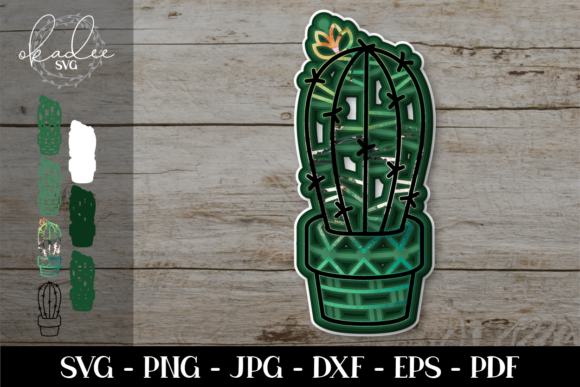
3D Cactus Mandala and 3D Cactus: Elevating Visual Design
In the ever-evolving landscape of graphic design, finding assets that seamlessly blend whimsical charm with professional structure is essential for creating memorable visual identities. The 3D Cactus Mandala represents a unique convergence of organic form and geometric precision, offering designers a versatile tool to enhance brand storytelling and user engagement.
When integrated thoughtfully into a project, this layered element does more than just add decoration; it establishes a distinct visual hierarchy that guides the viewer's eye while infusing personality into digital or print media. Whether you are refining a logo concept or developing a social media campaign, understanding how to utilize such specific design assets can significantly elevate the overall quality of your creative output.
The Strategic Value of Layered Graphic Elements
From a professional design perspective, the appeal of a 3D Cactus lies in its ability to create depth without compromising clarity. Modern aesthetics often rely on flat design, yet there is a growing demand for tactile, dimensional elements that suggest texture and volume. A layered cactus graphic allows creators to introduce subtle shadows and highlights, mimicking real-world lighting to make flat screens feel more interactive and inviting.
This approach is particularly effective in branding and logo design, where differentiation is key. By incorporating a multi-dimensional character like the 3D Cactus Mandala, businesses can soften their corporate image, making them appear more approachable and creative. It serves as a powerful anchor in a color palette, drawing attention to call-to-action buttons or key messaging points within a layout.
Practical Applications Across Design Disciplines
The versatility of high-quality layered files extends far beyond simple illustrations. Designers can leverage these assets to solve complex communication challenges across various mediums:
- Branding and Identity: Use the layered cactus as a central icon in a logo system, ensuring scalability from business cards to large-scale signage while maintaining visual integrity.
- Social Media Graphics: Create dynamic posts that stand out in crowded feeds by adding dimension to text overlays or background patterns.
- Packaging Design: Translate the digital layers into physical die-cut designs for product boxes, leveraging the "spunk" of the cut layers to create an unboxing experience that feels premium.
- Web and UI Design: Integrate the SVG or PNG versions as interactive hover states or loading animations, enhancing the user experience (UX) with playful micro-interactions.
- Editorial and Print: Utilize the PDF or EPS formats for magazine layouts and brochures, where the contrast between the patterned accents and solid cardstock colors creates striking editorial impact.
Technical Considerations for Professional Workflows
Successful implementation of any digital asset begins with technical compatibility. High-end design projects require files that offer maximum flexibility. This listing provides a comprehensive suite of formats including SVG, DXF, EPS, PDF, JPG, and PNG, ensuring that whether you are working in vector-based software like Adobe Illustrator or raster tools like Photoshop, you have the right resource at hand.
For users of electronic cutting machines such as Silhouette Studio or Cricut Design Space, the inclusion of DXF and SVG files is crucial. These formats preserve the layering data, allowing you to maintain the structural integrity of the 3D Cactus Mandala. However, it is important to remember that file compatibility ultimately depends on your specific machine software. Designers must verify that their workflow supports the necessary file types to avoid rendering errors or loss of detail during the production phase.
Maximizing Visual Impact with Customization
To truly unlock the potential of this asset, consider the principles of visual design regarding color and texture. The prompt suggests using glitter or patterned cardstock for accent layers. In a digital context, this translates to experimenting with gradients, textures, and overlay effects. Mixing a solid color base with a patterned accent layer can break up monotony and add a sophisticated touch to the composition.
When assembling the final piece, pay close attention to the spacing between layers. Proper negative space ensures that the individual components remain distinct, preventing the design from becoming cluttered. This attention to detail reinforces the professional presentation of your work, signaling to your audience that every element was chosen with intention.
Ultimately, the choice of creative assets defines the tone of your communication. By selecting a well-crafted, layered design like the 3D Cactus, you are not just adding a graphic; you are investing in a cohesive narrative that resonates with your target audience. Thoughtful integration of these elements transforms standard layouts into engaging experiences, proving that even small details can have a profound impact on the success of your design projects.