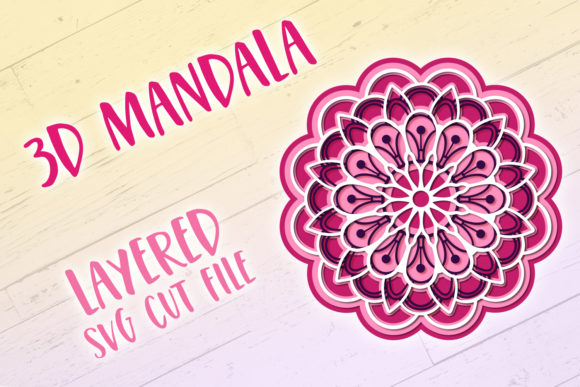
3D Mandala: Layered Papercut Design for Creative Projects
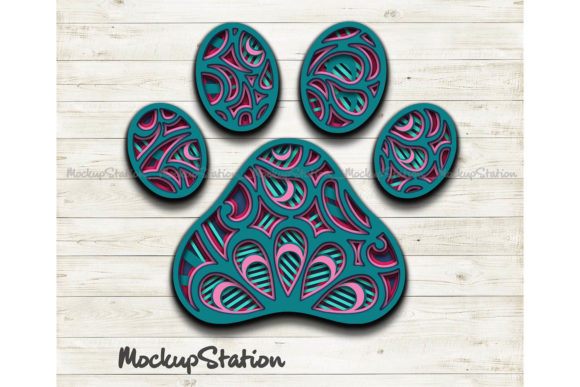
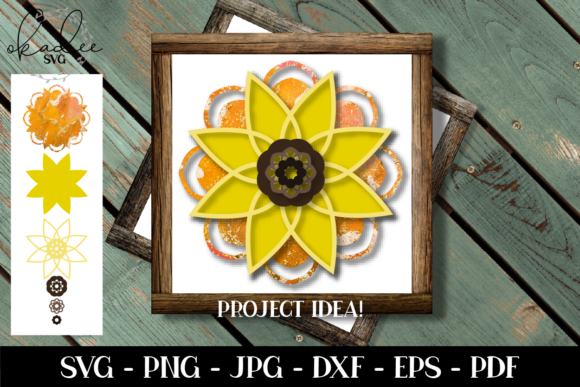
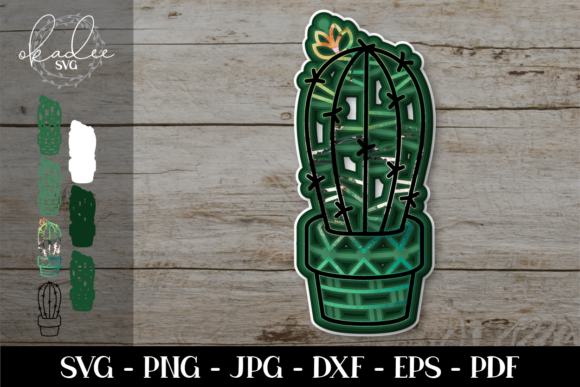
3D Mandala is not merely a digital file; it is a sophisticated architectural element designed to add depth and texture to your visual storytelling. This detailed layered papercut design transforms flat surfaces into dynamic experiences through the strategic use of four distinct layers. Unlike standard vector graphics that rely on simple outlines, this asset utilizes negative space and overlapping planes to create an illusion of volume. The result is a piece that feels tactile, inviting the viewer to look closer and appreciate the intricate geometry hidden within the pattern.
The visual personality of 3D Mandala balances traditional symmetry with modern precision. It evokes a sense of calm and order, making it an ideal companion for projects that require focus or spiritual resonance. Whether you are designing a wellness brand identity or creating an elaborate wedding invitation, the mandala's complex structure provides a focal point that anchors the composition without overwhelming the surrounding content. Its style is versatile enough to fit into minimalist layouts where it serves as a subtle background texture, yet bold enough to stand alone as a primary graphic element in editorial spreads or packaging designs.
Where This Design Asset Shines
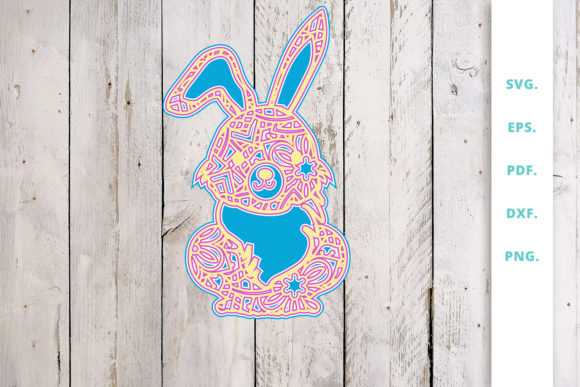
The utility of this design extends far beyond simple decoration. Because it comes in multiple formats including EPS, SVG, DXF, and PNG, it integrates seamlessly into both digital workflows and physical production environments. For web designers and social media managers, the SVG version allows for infinite scalability without loss of quality, ensuring crisp lines on any screen size from mobile devices to large desktop monitors. The PNG files offer immediate usability for quick mockups or marketing materials where transparency is required.
In the realm of print and physical goods, the value proposition becomes even more compelling. Crafters and small business owners can utilize the DXF and EPS files to drive cutting machines directly. The design has been engineered specifically for efficiency; the cutting points were reduced to a minimum, which significantly accelerates the production process. This reduction in complexity means less time spent on machine calibration and more time focused on creativity. You can apply these layers to greeting cards, home decor items like wall art or lampshades, and custom merchandise such as tote bags or stickers. The layering technique allows for color blocking effects that mimic real paper construction, adding a premium feel to otherwise mass-produced items.
Impact on Brand Identity and Visual Hierarchy
When integrating 3D Mandala into a brand identity system, consider how its geometric nature influences perception. Complex patterns naturally draw the eye, but their arrangement dictates the flow of information. In logo design, a single layer of the mandala can serve as a distinctive icon, while the full layered version might work best as a watermark or a background element in corporate stationery. The intricate details suggest craftsmanship and attention to detail, traits that audiences associate with high-quality products and services.
For editorial design and publishing, this asset helps establish a strong visual hierarchy. Placing the mandala behind a headline can frame the text effectively, guiding the reader's gaze toward the core message. However, readability remains paramount. The density of the pattern requires careful consideration of contrast. When using this design as a background for text, ensure sufficient separation between the pattern and the typography to maintain legibility. This balance is crucial for maintaining professionalism; a cluttered layout can confuse the audience, whereas a well-composed one enhances engagement.
Practical Guidance for Implementation
Selecting the right design asset involves evaluating the specific needs of your project. Before downloading or purchasing, review the included styles to understand the flexibility of the layers. Does the design offer enough variation to suit different moods? Can individual layers be extracted for unique compositions? For instance, isolating the outer ring of the mandala might provide a decorative border for a book cover, while the central motif could serve as a button icon on a website.
Font pairing and graphic integration are critical steps in the design process. While 3D Mandala is a graphical element rather than a typeface, it interacts heavily with typography. Pair this intricate design with clean, modern sans-serif fonts to let the mandala breathe, or use elegant serif fonts to complement its traditional roots. Avoid pairing it with other highly decorative elements, as this can lead to visual fatigue. The goal is to create a cohesive look where every element supports the others without competing for attention.
- Evaluate Project Fit: Determine if the complexity of the mandala aligns with the tone of your message. It works exceptionally well for creative industries, lifestyle brands, and events, but may be too busy for technical documentation or data-heavy reports.
- Test Font Pairings: Experiment with different typefaces to see how they interact with the negative space of the mandala. High-contrast pairings often yield the most striking results.
- Review Included Styles: Check the file contents thoroughly. Ensure you have access to all necessary formats (EPS, SVG, DXF, PNG) to maximize the asset's utility across different platforms.
- Consider Readability: Always test the final composition at actual size. A design that looks good on a screen may lose impact when printed, so verify the scale and clarity of the layers.
- Check Commercial Licensing: Verify the usage rights before deploying the design in client work. Understanding the scope of the license ensures compliance and protects your business from potential legal issues.
Optimizing the Cutting Process
For those utilizing CNC routers, laser cutters, or vinyl plotters, the optimization of this design is a significant advantage. The reduction of cutting points is not just a minor tweak; it represents a thoughtful approach to manufacturing efficiency. Fewer cuts mean less wear on tools, reduced material waste, and faster turnaround times. This makes 3D Mandala particularly suitable for entrepreneurs who need to produce inventory quickly or hobbyists looking to complete projects without frustration.
The layered nature of the design also opens up possibilities for mixed-media projects. You can cut each layer from different colored cardstocks or materials like wood and acrylic to create a true three-dimensional effect. This versatility allows for customization that goes beyond standard printing. By manipulating the depth and color of each layer, you can alter the mood of the piece entirely, shifting from a soft, pastel aesthetic to a bold, high-contrast statement.
Ultimately, the success of incorporating 3D Mandala into your work depends on thoughtful application. It is a tool that demands respect for its complexity and appreciation for its structural beauty. Whether you are a designer refining a brand identity, a marketer crafting engaging social media graphics, or a crafter building a unique product line, this asset offers a robust foundation for creativity. By leveraging its multi-format support and optimized cutting paths, you can elevate your projects from ordinary to exceptional, delivering value that resonates with your audience.