3D Multi Layer Bunny out of Mandala 2: A Strategic Asset for Modern Crafting Workflows
In the landscape of digital crafting and small business production, efficiency often dictates success. The 3D Multi Layer Bunny out of Mandala 2 is not merely a decorative image; it is a versatile vector asset designed to streamline the creation process for professionals and hobbyists alike. By integrating this specific design into your workflow, you move beyond simple cutting and enter a realm of scalable, high-quality production suitable for everything from custom invitations to commercial merchandise.
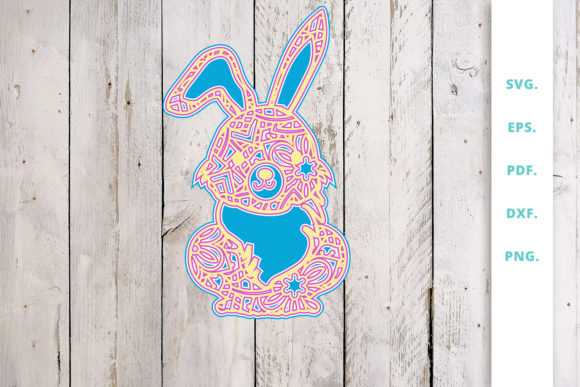
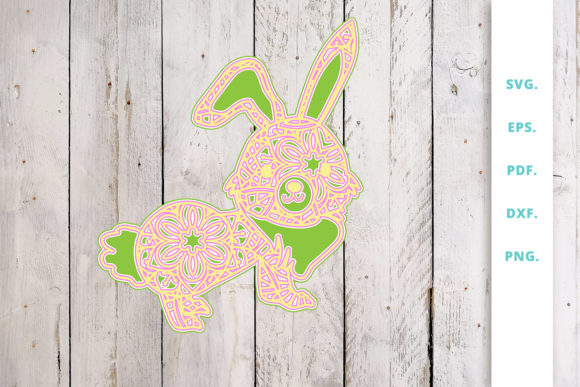
The core value of this file lies in its structural complexity. Unlike flat vector designs that require single-pass cutting, this asset features four distinct layers. This multi-layered architecture allows creators to manipulate depth, texture, and visual weight. Whether you are preparing a batch of baby shower invitations or creating a series of wall art pieces, the ability to separate these layers provides the control necessary to achieve professional-grade results. It transforms a standard craft project into a sophisticated product with tangible physical presence.
Integrating the Design into Your Production Pipeline
For entrepreneurs running Etsy shops or print-on-demand businesses, the preparation phase is critical. The 3D Multi Layer Bunny out of Mandala 2 fits seamlessly into the pre-production stage of your project lifecycle. Because the design is provided in multiple formats, including EPS, DXF, PDF, and SVG, it eliminates compatibility bottlenecks. You can import the SVG directly into Cricut Design Space or Silhouette Studio without needing complex conversion tools, ensuring that your machine reads the cut lines accurately.
When planning a large order, such as a set of party decorations or a collection of nursery prints, the vector nature of the file becomes a significant operational advantage. Vector graphics are resolution-independent, meaning you can resize the bunny motif from a tiny sticker on a water bottle to a large decal on a vehicle without losing any quality. This flexibility allows you to maintain consistency across different product sizes while using a single source file, reducing the time spent on asset management.
The implementation process begins with organizing your workspace. Since the file contains four separate layers, the first step in your workflow is to isolate these elements within your design software. You can then arrange them to create the desired depth. For a subtle effect, you might layer the shapes directly on top of one another. However, to achieve the true "3D" aesthetic intended by the design, you should introduce spacing between the layers. This is where the integration of physical materials comes into play.
Physical Execution and Material Selection
Moving from the digital screen to the physical object requires strategic material selection. The 3D Multi Layer Bunny out of Mandala 2 is optimized for use with various substrates, but the outcome depends heavily on how you handle the assembly. For card making and invitations, standard cardstock works well, but the design truly shines when you utilize foam dots or adhesive spacers. These small tools create the necessary gap between the mandala layers, casting shadows that give the bunny a popping, dimensional look.
When producing items like car decals or iron-ons, the workflow shifts slightly. For vinyl applications, you must consider the color blocking capabilities of the four layers. You can assign different colors to each layer before cutting, allowing for intricate color combinations that would be impossible with a single-color cut. After weeding the excess vinyl, the application process involves stacking the layers in the correct order. If you are working on apparel, such as baby clothes or children's t-shirts, the multi-layer approach ensures durability and a premium feel that stands out against the fabric texture.
For laser cutting projects, the precision of the vector paths is paramount. The clean lines of the mandala design ensure that the laser cuts through wood, acrylic, or leather with minimal charring or deviation. When working with thicker materials, the separation of the four layers becomes even more valuable. You can cut each layer from a different material—perhaps a wooden base with a paper or felt overlay—to create a mixed-media piece that adds variety to your wall decor or home office accessories.
Diverse Applications Across Business Sectors
The versatility of this digital download extends far beyond basic crafts. Marketing professionals and event planners can leverage the design for branded merchandise. Imagine a birthday party package that includes a printed calendar featuring the bunny, alongside matching invitations and thank-you cards. The consistent use of the 3D Multi Layer Bunny out of Mandala 2 creates a cohesive brand identity for the event, enhancing the perceived value of the experience.
In the realm of scrapbooking and memory keeping, this asset serves as a focal point. The four layers allow for dynamic page layouts where the bunny appears to float above the background. This technique draws the viewer's eye and adds a tactile element to the album. Parents and educators can also use these files to create personalized learning materials. By printing the layers on colored paper and assembling them, teachers can build interactive bulletin boards or classroom decorations that engage children visually and physically.
For those involved in digital printing services, the inclusion of PNG files is particularly useful. While the vector files handle the cutting, the high-resolution PNGs are perfect for direct-to-garment (DTG) printing or sublimation. You can place the layered design onto mockups of mugs, tote bags, or phone cases to visualize the final product before sending it to print. This capability reduces waste and ensures that the client sees exactly what they will receive, streamlining the approval process.
Optimizing Workflow Efficiency and Quality Control
To maximize the utility of this resource, organization is key. Before starting any project, take the time to review the included file types. The EPS and DXF files are ideal for CAD software or older cutting machines, while the SVG is best for modern cloud-based platforms. Keeping a library of these assets organized by category—such as "Baby Shower," "Nursery Decor," or "Apparel"—will save hours of searching time during busy production periods.
Quality control is another essential factor. When assembling the 3D layers, ensure that the alignment is precise. Even a slight misalignment can ruin the illusion of depth. Using registration marks or a light table can help position the layers perfectly before applying adhesive. Additionally, test your cut settings on a scrap piece of material first. Different materials react differently to blades and lasers, and understanding these variables prevents costly mistakes on finished products.
The longevity of the project also depends on the choice of adhesives. For permanent installations like wall art, strong mounting tape or glue dots are recommended. For temporary events, like a birthday party setup, repositionable adhesive allows for adjustments if the initial placement isn't perfect. This attention to detail ensures that the final output meets the high standards expected by customers and clients.
Maximizing Value Through Creative Adaptation
The 3D Multi Layer Bunny out of Mandala 2 is designed to adapt to your specific needs. You are not limited to the original configuration. If you need a monochromatic look for a minimalist wedding invitation, you can simply cut all four layers from white cardstock. Conversely, for a vibrant children's room mural, you can color each layer differently to create a rainbow effect. The freedom to modify colors and dimensions empowers you to tailor the design to any theme or season.
Furthermore, the digital nature of the product means there is no inventory risk. Once downloaded, the files are yours to use indefinitely. You can produce a single item for a personal gift or thousands for a retail store without additional licensing fees. This scalability makes it an excellent investment for anyone looking to expand their creative offerings. Whether you are a seasoned crafter or just starting your journey into the world of digital design, this asset provides the foundation for building a robust and profitable portfolio.
In conclusion, integrating the 3D Multi Layer Bunny out of Mandala 2 into your workflow represents a shift towards smarter, more efficient production. It bridges the gap between digital creativity and physical reality, offering a tool that is as functional as it is beautiful. By understanding the layers, mastering the assembly techniques, and utilizing the various file formats, you can unlock the full potential of this design. It is more than just a bunny; it is a strategic component in your creative arsenal, ready to elevate your next project from a simple craft to a polished masterpiece.