3D Autumn Leaf: A Vibrant 3D Design Asset for Seasonal Projects
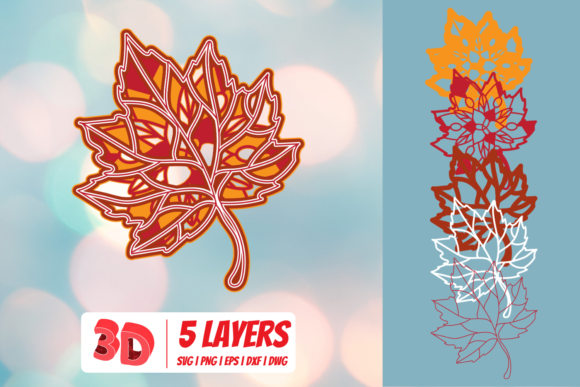
There is a specific moment in October when the air turns crisp and the world shifts into warm, earthy tones. It is a time that demands visual storytelling capable of capturing the essence of harvest, change, and cozy nostalgia. 3D Autumn Leaf is not merely a decorative element; it is a dynamic design asset engineered to bring that seasonal atmosphere to life with depth and texture. This piece stands out because it transcends the flat limitations of standard vector graphics, offering a rich, dimensional quality that mimics the way real leaves catch the light on a breezy afternoon.
The visual personality of this asset is defined by its organic curves and layered shading. Unlike rigid geometric shapes, the 3D Autumn Leaf features subtle gradients and shadowing that create an illusion of volume. The color palette, typically ranging from deep russets to vibrant oranges and golden yellows, evokes feelings of warmth and abundance. Whether you are designing a Halloween invitation or a Thanksgiving menu, this font style adds an immediate sense of craftsmanship and attention to detail. It feels tactile, inviting the viewer to imagine the crinkle of dry foliage underfoot.
Where This Design Asset Shines
The versatility of 3D Autumn Leaf makes it suitable for a wide array of creative endeavors. For small business owners and entrepreneurs, it serves as a powerful tool for seasonal branding. Imagine applying this design to custom packaging for artisanal pumpkin spice products or using it on limited-edition merchandise. The three-dimensional effect ensures your brand stands out on crowded shelves or social media feeds where users scroll quickly.
In the realm of editorial design, this asset can elevate magazine layouts or blog posts dedicated to fall activities. It breaks up text-heavy articles and draws the eye to key sections without overwhelming the content. Web designers will find it particularly useful for landing pages during the autumn months. When integrated into hero images or call-to-action buttons, the leaf creates a focal point that increases click-through rates by adding a layer of visual interest that static icons often lack.
For crafters and hobbyists, the appeal lies in its adaptability. The asset allows for the creation of physical goods like t-shirts, mugs, and tote bags. Because it is designed with precision, it translates beautifully from digital screens to physical materials. Whether you are hosting a community event or running a boutique shop, the professional finish of 3D Autumn Leaf ensures that your final product looks polished and intentional.
Impact on Readability and Brand Perception
While 3D Autumn Leaf is primarily a display element, its application requires a strategic approach to maintain readability and visual hierarchy. In design, the goal is to guide the user's eye through the information. Using this asset as a headline or a primary graphic establishes a strong visual anchor. However, pairing it with a clean, legible sans serif or serif body text is crucial. The complexity of the 3D leaf can compete with detailed typography if not balanced correctly.
From a brand perception standpoint, this asset signals creativity and effort. It suggests that the creator has invested time in curating high-quality visuals. Consistency is key; using the same stylistic elements across all marketing channels reinforces brand recognition. If a coffee shop uses 3D Autumn Leaf on their window decals, they should also incorporate similar color tones and textures in their digital ads. This cohesive strategy builds trust and professionalism, making the audience feel more connected to the brand identity.
Furthermore, the emotional resonance of the design directly influences audience engagement. People respond positively to imagery that evokes positive memories. By utilizing a design that captures the spirit of the season, brands can foster a sense of community and shared experience. This emotional connection often leads to higher engagement rates, as users are more likely to share content that resonates with their current mood and environment.
Navigating File Formats for Your Workflow
One of the most significant advantages of this download is the comprehensive collection of file formats included in the zipped folder. Each format serves a specific purpose, ensuring compatibility across various software ecosystems. Understanding these differences allows you to choose the right tool for your specific project needs.
- SVG (Scalable Vector Graphics): This is the gold standard for digital cutting machines. The SVG file works seamlessly with Cricut Design Space, Silhouette Designer Edition, Make the Cut (MTC), Sure Cuts A Lot (SCAL), and Brother Scan and Cut "Canvas" software. If you plan to cut vinyl, cardstock, or iron-on transfers, this is your primary file. It retains crisp edges at any size, ensuring your designs remain sharp whether printed on a large banner or a small sticker.
- DXF (Drawing Exchange Format): Essential for users working with Silhouette Basic Edition or other CAD-based programs. The DXF format provides precise vector data that allows for accurate scaling and editing within technical drawing environments. It is ideal for projects requiring strict dimensional accuracy.
- EPS (Encapsulated PostScript): A robust format for professional graphic design workflows. EPS files are fully compatible with CorelDraw, Inkscape, and Adobe Illustrator. They allow designers to manipulate colors, adjust paths, and integrate the leaf into complex illustrations without losing quality. This format is indispensable for print production where color management is critical.
- PNG (Portable Network Graphics): Included as a high-resolution photo file with a transparent background at 300 DPI. This format is perfect for quick mockups, web graphics, or printing where vector editing is not required. The transparency ensures the leaf blends perfectly over any background color or image, eliminating the need for manual masking.
Selecting the Right Approach for Your Project
When evaluating which format to use, consider your end goal. If you are creating a logo for a brand identity system, start with the EPS or SVG file to ensure scalability. You may need to modify the colors to match your brand guidelines, which is easily done in Illustrator or Inkscape. For commercial fonts used in large-scale advertising, vector formats guarantee that the image remains crisp even when enlarged to billboard dimensions.
For social media graphics, the PNG file offers speed and convenience. You can drag and drop the transparent leaf onto your designs in Canva, Photoshop, or any image editor without worrying about white backgrounds interfering with your layout. Just remember that while PNGs are great for screen display, they may not be suitable for high-volume offset printing unless the resolution is sufficient.
Testing font pairings and reviewing included styles is a vital step before finalizing your design. Try placing 3D Autumn Leaf alongside different typefaces to see how the contrast affects the overall composition. A bold, modern sans serif might provide a contemporary edge, while a classic serif could lend a touch of elegance. Always review the licensing terms to ensure your intended use—whether personal or commercial—is covered. With the right preparation, 3D Autumn Leaf becomes an invaluable part of your creative toolkit, ready to enhance any project with seasonal flair.