Unlocking the Beauty of 3D Layered Mandala Designs for CNC, Laser Cutting, and Digital Crafting
In the ever-evolving world of digital fabrication and DIY crafting, few designs capture the imagination quite like a 3D layered mandala. These intricate geometric patterns have transcended their ancient spiritual roots to become a cornerstone of modern decorative art. Whether you are an experienced woodworker with a high-end CNC machine or a hobbyist looking to create stunning home decor with a Cricut, understanding the potential of multi-layered cut files is essential. This guide explores the significance, versatility, and practical application of these complex digital assets, helping you transform simple vector data into breathtaking three-dimensional masterpieces.
The Art and Science Behind Multi-Layered Mandala SVG Files
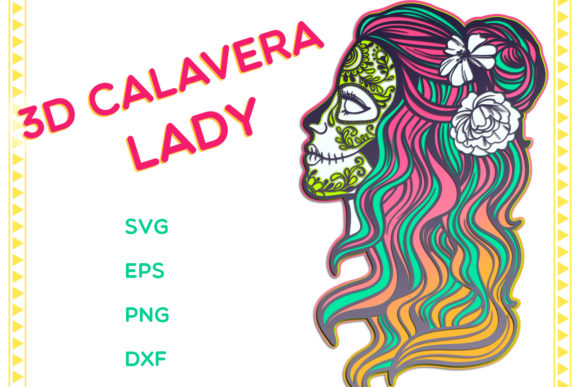
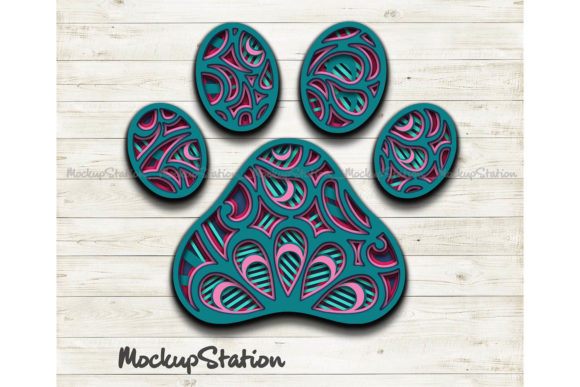
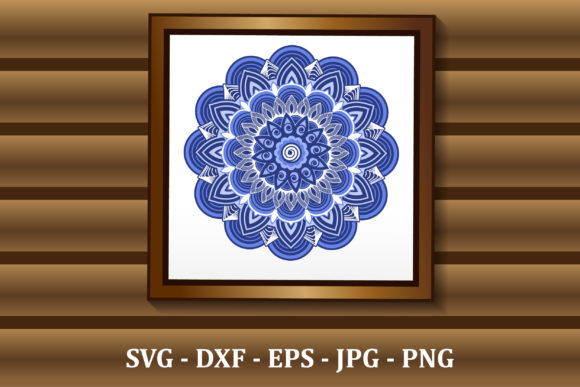
A traditional mandala is a circular design symbolizing the universe, often used in meditation and spiritual practices. However, in the realm of digital manufacturing, the concept has evolved. A layered 3D mandala SVG is not just a single image; it is a sophisticated architectural blueprint composed of multiple distinct elements. The specific design we are discussing features 20 individual layers, each carefully crafted to fit perfectly atop one another.
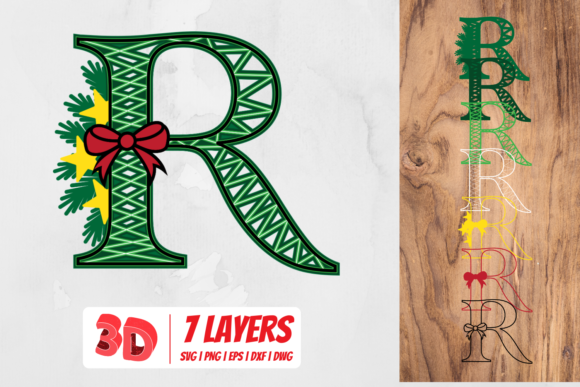
Why 20 layers? In the context of digital cutting, layering is the key to creating depth. By stacking thin sheets of material—be it wood, acrylic, foam board, or paper—you can simulate volume without needing heavy machinery or expensive materials. Each layer represents a slice of the final object. When these slices are aligned and adhered together, they create a rich, textured visual effect that flat designs simply cannot achieve. This technique allows creators to produce objects that look hand-carved but are actually precision-cut by machines.
Bridging Technology and Creativity: How It Works
The magic of this project lies in its compatibility with various technologies. The listing provides a comprehensive suite of vector files for laser cut, CNC cutting machines, Cricut, and Silhouette. This inclusivity ensures that regardless of your equipment, you can bring this design to life.
Understanding the File Formats
To get the best results, it is crucial to understand the difference between the provided formats:
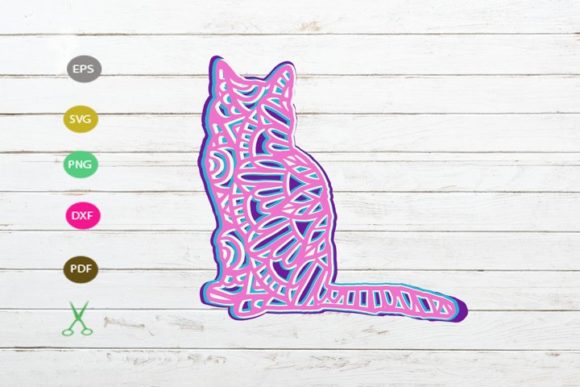
- SVG (Scalable Vector Graphics): This is the most versatile format for digital cutting machines. Because it is vector-based, an SVG layered mandala file contains mathematical paths rather than pixels. This means you can resize the design from a tiny coaster to a massive wall hanging with absolutely no loss of quality. The software on your computer reads these paths to tell the machine exactly where to cut.
- DXF (Drawing Exchange Format): Widely used in professional CAD software and industrial CNC routers, DXF files are essential for users working with larger-scale wood or metal fabrication. They ensure precise coordinate mapping for automated cutting arms.
- EPS (Encapsulated PostScript): Ideal for graphic designers who need to import the mandala into Adobe Illustrator or CorelDRAW for further customization before sending it to a cutter.
For those who prefer raster-based workflows, the pack also includes JPG and PNG clipart files on transparent backgrounds. While these cannot be used directly for cutting, they are perfect for printing. You can use them to decorate mugs, bags, fabric, or coasters using standard inkjet or sublimation printers.
From Digital Download to Physical Masterpiece
The process of creating a 3D mandala is both educational and rewarding. Once you download the ZIP file containing the vector and raster folders, the journey begins. The first step involves unzipping the archive to access the organized layers.
Step 1: Preparation and Material Selection
The choice of material dictates the final aesthetic. For a rustic look, thin plywood or basswood works beautifully. For a modern, sleek appearance, acrylic sheets in various colors can mimic stained glass when backlit. If you are using a Cricut or Silhouette, cardstock, vinyl, or adhesive foam sheets are excellent choices for creating lightweight, colorful versions suitable for party decorations or classroom projects.
Step 2: Loading and Cutting
Import the SVG or DXF file into your cutting software. Here, the "20 layers" aspect becomes clear. You will see 20 separate groups of lines. In many cases, you will assign different colors to different layers in your software to distinguish them. Some creators choose to cut all layers from a single color material for a monochromatic effect, while others use a rainbow approach, assigning a different color to every third layer to create a vibrant gradient effect.
Step 3: Assembly and Alignment
This is where the true artistry happens. After cutting, you must stack the pieces. To ensure perfect alignment, many crafters use registration marks or a simple dowel system. By placing each layer gently on top of the previous one, you build up the structure. Once satisfied with the arrangement, you secure them with glue or double-sided tape. The result is a stunning multilayer cut file project that casts beautiful shadows and offers a tactile experience.
Practical Applications in Modern Life and Business
The utility of these files extends far beyond personal hobbies. In today's economy, digital crafting skills have opened doors for small business owners and entrepreneurs.
Home Decor and Interior Design
One of the most popular uses for a 3D layered mandala is as a wall hanging or room divider. A large-scale version cut from medium-density fiberboard (MDF) can serve as a focal point in a living room, adding texture and cultural richness to the space. Smaller versions make exquisite lampshades, where light filters through the 20 layers, casting intricate patterns on the floor and walls.
Customized Gifts and Retail Products
Because the files are scalable, artisans can mass-produce items for the gift market. Imagine a set of wooden coasters featuring a miniaturized version of the mandala, or a personalized wedding favor box adorned with the design. The ability to instantly download and print the design means there is no inventory risk; you only produce what is sold.
Educational Tools
In education, these files serve as excellent tools for teaching geometry, symmetry, and spatial reasoning. Students can explore how 2D shapes combine to form 3D objects. Using a classroom-safe Cricut machine, teachers can facilitate hands-on learning experiences where students design and assemble their own geometric structures.
Clarifying Common Misconceptions
There are several assumptions new users often make about digital cutting files that can lead to frustration if not addressed early.
Misconception 1: "I need a $5,000 machine to use these files."
This is false. While industrial CNC routers can handle thick wood quickly, the beauty of SVG layered mandala files is their accessibility. A desktop Cricut or a handheld laser cutter can produce high-quality results using lighter materials like paper, vinyl, or thin wood veneers. The complexity of the design does not require the complexity of the machine.
Misconception 2: "Vector files are the same as JPEGs."
It is vital to distinguish between the two. A JPEG is a raster image made of pixels; if you zoom in, it becomes blurry. A vector file is made of math; it remains crisp at any size. If you try to cut a JPEG on a laser cutter, the machine will not know where to cut unless you trace over it manually, which defeats the purpose of automation. Always use the provided DXF or SVG files for cutting tasks.
Misconception 3: "Layering is too difficult for beginners."
While assembling 20 layers sounds daunting, the process is essentially a puzzle. Many online communities share tips on alignment jigs and gluing techniques. Furthermore, starting with fewer layers (e.g., using just 5 or 10 out of the 20 available) is a great way to practice before attempting the full design.
Maximizing Your Creative Potential
The inclusion of both vector and raster files in a single package offers unparalleled flexibility. You are not limited to just cutting. The raster clipart files allow you to integrate the mandala design into textile printing, embroidery digitization, or custom packaging design. This dual-format approach ensures that whether you are working with a laser cutter, a screen printer, or a sewing machine, the design remains relevant and usable.
Furthermore, the scalability of these files means you can experiment with size without worrying about pixelation. Create a miniature version for a dollhouse or a monumental piece for a corporate lobby. The 3D layered mandala adapts to your vision, limited only by the size of your material and the capabilities of your machine.
Conclusion
In conclusion, a 3D layered mandala represents the perfect intersection of tradition and technology. With its 20 meticulously designed layers and support for multiple file formats including SVG, DXF, EPS, JPG, and PNG, it offers a robust toolkit for creators of all skill levels. Whether you are looking to enhance your home decor, launch a creative business, or simply enjoy the meditative process of assembly, these digital files provide the foundation for endless possibilities.
By understanding the capabilities of vector graphics and the mechanics of layering, you unlock a new dimension of creativity. The transition from a digital download to a tangible, three-dimensional object is a testament to the power of modern craftsmanship. So, unzip your files, load your machine, and let the layers come together to create something truly magnificent.