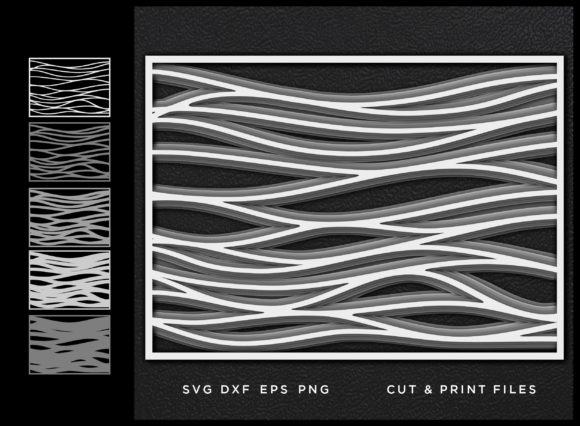
Transforming Spaces with Multilayer 3D Layered Wall Panel Digital Assets
The landscape of interior design and creative fabrication has shifted dramatically in recent years. What was once a labor-intensive process requiring specialized carpentry, expensive materials, and weeks of construction is now accessible through the power of Multilayer 3D digital assets. These resources allow professionals and hobbyists alike to create stunning Layered visual effects that add depth, texture, and character to any environment. Whether you are designing a corporate lobby, a children's playroom, or a personal studio, the ability to produce high-quality Wall Panel designs instantly changes the game.
This article explores the mechanics, benefits, and practical applications of using digital vector files for creating physical wall installations. We will delve into how these tools bridge the gap between digital imagination and physical reality, offering a comprehensive guide for anyone looking to integrate this technology into their workflow.
The Mechanics of Digital Depth
To understand the value of these digital products, one must first grasp the concept of layering. In traditional woodworking or molding, achieving a three-dimensional effect often requires complex joinery or stacking multiple pieces of material. With digital design, specifically using Multilayer 3D files, the complexity is handled by the software before the physical cutting even begins.
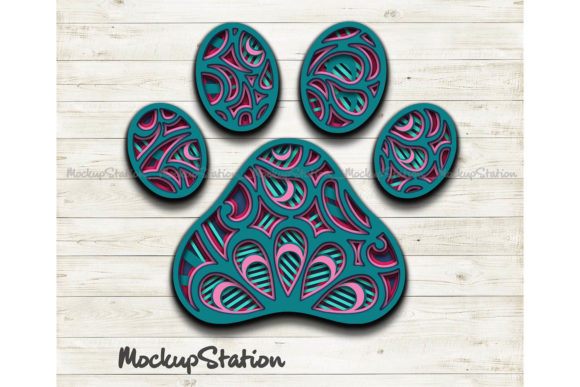
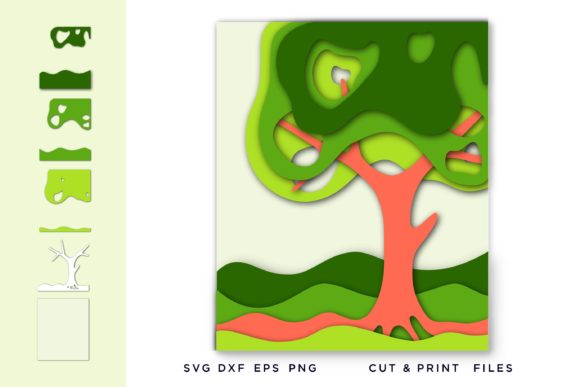
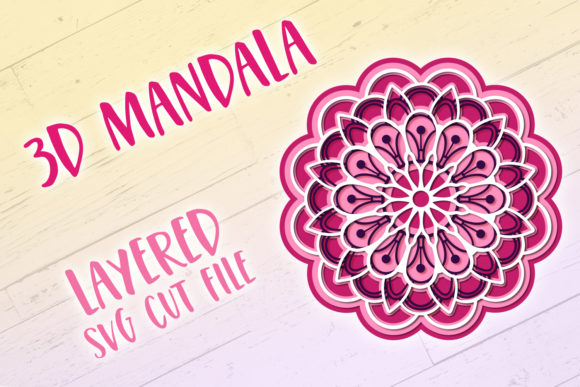
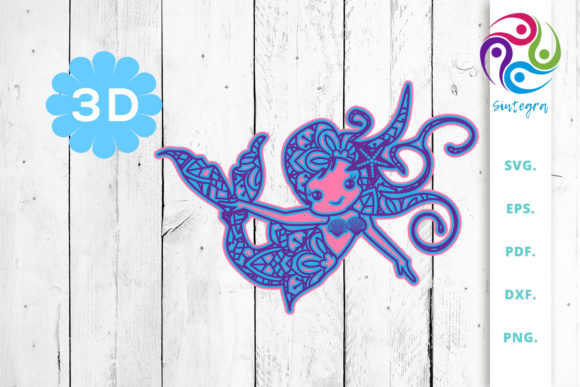
A typical set includes various file formats designed to work seamlessly with computer-aided manufacturing (CAM) machines. The core advantage lies in the separation of design elements. Each element of the image is isolated on its own layer within the software. When these layers are cut from different materials—such as wood, foam board, acrylic, or MDF—and stacked with spacers, they create a tangible sense of depth. This technique transforms a flat surface into a dynamic installation that plays with light and shadow.
The versatility of this approach means that a single design can be scaled to fit a small accent wall or expanded to cover an entire building facade without losing quality. Because the source files are vector-based, the dimensions are infinite. You can resize a design from a coaster-sized sticker to a monumental architectural feature, and the lines remain crisp and precise.
Understanding the File Ecosystem
When engaging with digital design assets, the format of the file is just as critical as the design itself. A robust package for creating Layered wall art typically offers a suite of formats to ensure compatibility across different software ecosystems and hardware capabilities. This flexibility is essential for users ranging from home enthusiasts to large-scale production facilities.
- SVG Vector Files: Scalable Vector Graphics are the industry standard for digital cutting. They define shapes using mathematical points and lines rather than pixels. This allows for unlimited resizing with no quality loss, making them ideal for machines like the Cricut Design Space or Silhouette Studio. SVGs are the most versatile format for modern hobbyists and small businesses.
- EPS Vector Files: Encapsulated PostScript files are widely used in professional graphic design. They are compatible with software like Adobe Illustrator and CorelDraw. EPS files are excellent for users who need to perform advanced editing, color manipulation, or integration into larger print layouts before sending the job to a cutter.
- DXF Vector Files: Drawing Exchange Format is the native language of many CNC routers and industrial cutting machines. If you are working with Brother ScanNCut Canvas or other industrial-grade equipment, DXF files ensure that the machine reads the coordinates accurately for precision cutting.
- PNG Raster Files: Portable Network Graphics provide a high-resolution raster image at 300ppi with a transparent background. While not vector-based, these are crucial for visualization purposes. They allow designers to see exactly how the final piece will look when assembled, serving as a perfect reference for spacing and alignment during the physical build.
All these files are delivered in a convenient zipped folder, ensuring that the user receives the complete toolkit required for the project. It is important to note that these are INSTANT DIGITAL DOWNLOAD ITEM products; no physical item will be shipped. This model eliminates shipping costs and delays, providing immediate access to the creative assets needed to start production right away.
Bridging Software and Hardware
The success of a Wall Panel project depends heavily on the interoperability between your design software and your cutting hardware. Fortunately, the modern ecosystem is built for connectivity. The files provided are guaranteed to work with a wide array of vector-compatible software, ensuring that users are not locked into a specific brand ecosystem.
For those utilizing consumer-grade cutters, the Silhouette Studio (both Basic and Designer Editions) offers powerful tools for arranging layers and assigning cut settings. Similarly, Cricut Design Space provides an intuitive interface for importing these files and preparing them for the machine. Users of the Brother ScanNCut Canvas will find that the DXF and SVG imports facilitate smooth operation without the need for extensive conversion.
Professional workflows often rely on more robust platforms. Adobe Illustrator and CorelDraw are the gold standards for vector editing, allowing for intricate adjustments to the design before it ever touches a blade. For users who prefer third-party slicing software, options like Sure Cuts A Lot and Make the Cut offer specialized features for optimizing cut paths and nesting materials efficiently.
A basic knowledge of your chosen software and the specific requirements of using layered files is assumed. However, the universal nature of these formats means that learning curves are generally manageable. Once a user understands the concept of "stacking" layers, the transition from digital file to physical object becomes a straightforward process.
Practical Applications Across Industries
The utility of Multilayer 3D designs extends far beyond simple decoration. Their adaptability makes them a valuable asset for a diverse range of sectors, each leveraging the technology for specific goals.
Interior Design and Real Estate
In the realm of real estate staging and interior design, creating a focal point is crucial. A Layered wall panel can transform a bland conference room into an inspiring space or turn a generic living area into a unique statement piece. Developers and stagers use these digital assets to quickly prototype designs and visualize how different textures and depths will interact with lighting before committing to expensive custom carpentry.
Educational Environments
Educators and researchers utilize these tools to create interactive learning environments. Tangible 3D models help students visualize complex concepts in geometry, biology, or history. By printing and assembling Wall Panel sets, classrooms can become immersive experiences where students can touch and explore abstract ideas. The transparency of the PNG files allows teachers to plan layouts easily, while the vector files enable precise cutting of durable educational props.
Retail and Branding
Business owners in the retail sector increasingly use layered graphics for branding. Pop-up shops, trade show booths, and permanent storefronts benefit from the visual impact of 3D text and logos. A Multilayer 3D logo installed on a store wall catches the eye from a distance, drawing customers in. The ability to scale the design ensures that the same asset works for a small boutique sign and a massive warehouse display.
Hobbyist and Maker Communities
For hobbyists, these files represent a gateway to high-level craftsmanship without the need for a fully equipped workshop. Using affordable materials like balsa wood or foam core, makers can produce gallery-quality art. The instant availability of the files encourages experimentation. A creator can try a new design, cut it, assemble it, and immediately see the result, fostering a cycle of rapid iteration and skill development.
Considerations for Implementation
While the potential of digital wall panels is vast, successful implementation requires careful planning. The choice of material is paramount. Different materials react differently to cutting and stacking. Wood offers a natural, warm aesthetic but may require sanding and finishing. Acrylic provides a sleek, modern look but can be prone to scratching. Foam board is lightweight and cost-effective, ideal for temporary displays or children's rooms.
Spacing is another critical factor. The thickness of the spacers used between layers determines the intensity of the shadow and the perceived depth. Too little spacing results in a flat appearance; too much can make the structure unstable or visually disjointed. The high-resolution PNG files included in the download serve as an excellent guide for determining optimal spacing based on the desired visual outcome.
Lighting plays a significant role in the final presentation. A Layered design relies on shadows to create its 3D effect. Directional lighting, such as track lights or sconces, can enhance the depth, while diffuse overhead lighting might flatten the image. Designers should consider the lighting conditions of the intended space before finalizing the installation.
The Future of Digital Fabrication
The trend toward digital fabrication is accelerating. As software becomes more user-friendly and hardware more affordable, the barrier to entry for creating custom 3D environments continues to lower. The availability of Multilayer 3D assets democratizes design, allowing individuals to bypass traditional supply chains and create bespoke solutions on demand.
This shift empowers creators to take full control of their projects. From the initial concept to the final assembly, every step is managed by the designer. The elimination of watermarks and backgrounds in the original images ensures that the output is clean and professional, ready for commercial use. Whether you are a researcher studying spatial perception, a business owner seeking to brand your office, or a parent wanting to decorate a nursery, the technology offers a scalable, efficient, and creative solution.
By embracing these digital tools, we unlock a new dimension of creativity. The transition from screen to wall is seamless, bridging the gap between the virtual and the physical. As we continue to explore the possibilities of Wall Panel design, the only limit remains our imagination. The combination of precise vector files and innovative assembly techniques promises to redefine how we experience and interact with our built environment.