3D Zentangle Butterfly
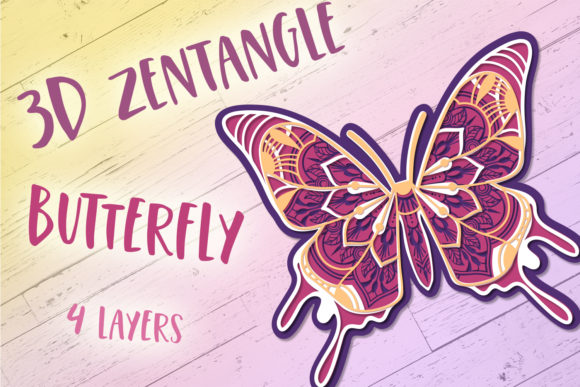
The 3D Zentangle Butterfly represents a unique convergence of intricate line work and dimensional artistry. Unlike standard flat vector illustrations, this design transforms a simple silhouette into a layered masterpiece. At its core, the project is a detailed papercut design that relies on four distinct layers to create depth and visual interest. The magic lies in how these layers interact; when assembled, they mimic the delicate structure of a real butterfly while maintaining the geometric precision of Zentangle patterns.
This specific iteration features a fourth layer with a rounder, slightly different shape. This subtle variation is not an error but a deliberate design choice intended to enhance the effect when layering. It adds a softness to the edges that prevents the final product from looking too rigid or mechanical. Whether you are a seasoned crafter or a digital designer exploring new assets, this multi-layered approach offers a tangible way to elevate your projects beyond the two-dimensional plane.
Why Layered Papercut Designs Matter
In the world of digital crafting, the shift toward 3D elements is driven by a desire for texture and realism. A single-layer cutout often lacks presence, appearing flat against a background. By utilizing four separate layers, the 3D Zentangle Butterfly allows creators to play with shadows, spacing, and perspective. This technique is particularly effective for home decorations where lighting can change throughout the day, casting dynamic shadows that make the artwork feel alive.
The design philosophy here focuses on efficiency without sacrificing complexity. The cutting points have been reduced to a minimum. In practical terms, this means less time spent on the machine and more time focused on assembly and finishing. For users working with vinyl cutters or laser engravers, minimizing cutting points reduces the risk of material tearing and speeds up the production workflow significantly. This optimization makes high-quality, complex designs accessible even for those running small businesses or handling high-volume orders.
Creative Applications Across Industries
The versatility of this asset extends far beyond simple hobbyist crafts. Because the file formats include EPS, SVG, DXF, and PNG, the design adapts seamlessly to various mediums and software environments. Here is how different professionals can leverage this resource:
- Card Designers and Stationery Creators: Incorporate the butterfly as a focal point on greeting cards. The four layers allow you to create "pop-up" effects or simply add dimension to the card front. The intricate Zentangle patterns provide a sophisticated look that appeals to adults seeking premium stationery.
- Interior Decorators and DIY Enthusiasts: Use the design for wall art. By mounting the layers at varying distances from the backing board, you can create a stunning shadow box effect. This works exceptionally well in nurseries, living rooms, or office spaces where a touch of organic elegance is needed.
- Educators and Workshop Leaders: This project serves as an excellent teaching tool for understanding layering, spatial awareness, and pattern recognition. The step-by-step nature of assembling the four layers makes it ideal for workshops targeting teens and adults.
- Small Business Owners: Create branded merchandise or custom packaging inserts. The unique shape ensures that your products stand out on shelves or in unboxing videos, adding a professional polish to your brand identity.
Technical Considerations for Assembly
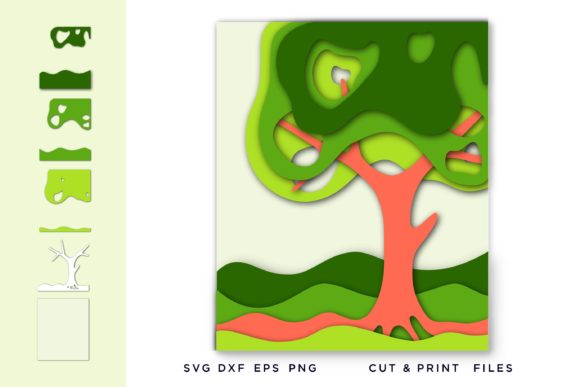
While the files are ready to use, achieving the best results requires attention to detail during the assembly phase. The instructions provided in the third preview are crucial for understanding the correct order of operations. When dealing with a design that has a specialized fourth layer, the alignment process becomes the most critical step.
To maintain consistency and clarity, consider using spacers such as foam tape or small pieces of cardboard between the layers. This physical separation enhances the 3D illusion, allowing light to pass through the gaps and creating a sense of volume. If you are working with paper, ensure you choose a weight that supports the structure without being too stiff to cut. Cardstock between 65lb and 80lb usually offers the best balance of durability and ease of cutting.
For digital applications, the PNG format provides a rasterized version that is easy to overlay on photos or social media graphics. However, for physical production, the vector formats (EPS, SVG, DXF) are essential. They ensure that the fine lines of the Zentangle pattern remain crisp regardless of the size you scale the image. Remember that the rounder shape of the fourth layer should be positioned to frame the other elements, acting as a soft border that draws the eye inward.
Adapting the Design for Different Audiences
One of the strengths of this design is its adaptability. You do not have to stick to traditional color palettes. While black and white creates a classic, high-contrast look, experimenting with metallic foils or gradient colors can completely alter the mood of the piece. For a modern aesthetic, try using matte black layers with a glossy gold accent on the fourth layer. For a softer, more whimsical vibe, pastel tones work beautifully.
Bloggers and content creators can also utilize this design to generate engaging tutorials. The process of assembling the layers offers natural opportunities for video content, showing the transformation from flat sheets to a dimensional object. This type of content performs well because it combines the satisfying nature of crafting with the educational value of technical instruction.
When sharing your creations, focus on the story behind the piece. Did you modify the spacing? Did you choose a specific paper texture? These details add authenticity to your work and resonate with audiences who value craftsmanship over mass-produced perfection. The goal is to inspire others to see the potential in their own tools and materials.
Maximizing Efficiency and Originality
In a market saturated with generic clipart, the 3D Zentangle Butterfly stands out due to its structural integrity and thoughtful design. The reduction of cutting points is a significant advantage for anyone looking to streamline their production. It minimizes waste and ensures that the delicate Zentangle lines do not break during the cutting process.
To keep your results organized and consistent, develop a standard workflow. Start by testing a single layer on scrap material before committing to your final stock. Check the alignment of the fourth layer specifically, as its unique shape dictates the overall balance of the piece. Once you have mastered the assembly, you can scale up your output without compromising quality.
Ultimately, the value of this design lies in its ability to bridge the gap between digital precision and tactile art. It empowers creators to produce items that feel handcrafted and personal, even when produced in batches. Whether you are decorating your own home, fulfilling client orders, or teaching a class, this multi-layered butterfly offers a robust foundation for creative exploration. By paying attention to the nuances of layering and utilizing the provided formats correctly, you can unlock a wide range of possibilities for your next project.