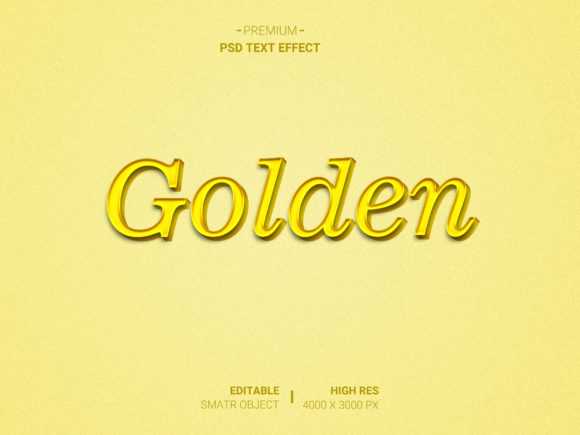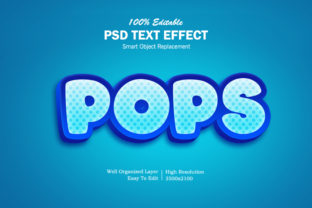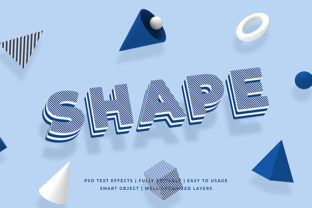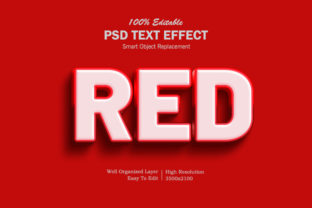
Good Morning 3D Text Effect: A Practical Evaluation for Designers
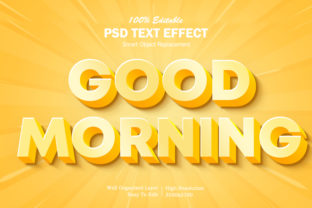
In the competitive landscape of digital and print design, the ability to quickly produce high-quality typography can be the difference between a generic project and one that captures immediate attention. The Good Morning 3D Text Effect represents a specific category of graphic resources designed to streamline this process. Unlike standard text tools found in basic editing software, this resource offers a pre-configured environment where complex lighting, depth, and texture are already established, allowing users to focus on content rather than technical rendering.
At its core, this graphic resource provides a mechanism to apply a sophisticated 3D style to text, artwork, or logos with minimal effort. The value proposition here is not merely about the visual output but the workflow efficiency it introduces. For professionals aged 20 to 50 who balance multiple projects, the distinction lies in how the file handles complexity. It transforms what would typically be a time-consuming manual modeling process into a straightforward substitution task, making high-end effects accessible without requiring advanced 3D modeling skills.
Understanding the Workflow and Technical Architecture
The defining characteristic of the Good Morning 3D Text Effect is its reliance on Smart Objects within the Adobe Photoshop ecosystem. This architectural choice is significant because it separates the visual effect from the editable content. In many alternative approaches, changing the text might require manually re-applying layer styles, adjusting shadows, or tweaking gradients, which often leads to inconsistencies if the original settings were complex.
With this specific resource, the process is streamlined into two primary actions: replacing the content and saving. Users simply replace the placeholder text, shapes, or vector logos within the designated smart object layers. Once the new content is placed, the 3D properties automatically adjust to fit the new geometry. This automation reduces the risk of human error and ensures that the final output maintains the intended aesthetic integrity. The requirement to "just click save" highlights a user-centric design philosophy aimed at reducing friction in the creative process.
The technical specifications further support its utility in professional environments. With a resolution of 3500x2100 pixels at 300 dpi, the asset is engineered for high-fidelity outputs. This level of detail is crucial for projects that may transition from digital screens to large-format printing. Many lower-cost alternatives compromise on resolution to keep file sizes small, but this tradeoff often results in pixelation when scaled up. The inclusion of well-organized layers adds another layer of flexibility, allowing designers to isolate specific elements of the 3D effect if they need to tweak the background or lighting independently of the text itself.
Evaluating Versatility Across Use Cases
One of the most compelling aspects of this resource is its adaptability across a wide spectrum of applications. The versatility of the Good Morning 3D Text Effect allows it to serve as a foundational element for diverse media types. Whether the goal is creating a website element, designing a wallpaper, or producing promotional banners, the underlying 3D structure remains robust.
Consider the scenario of social media management. Creating covers for Facebook, YouTube, or Twitter often requires eye-catching visuals that stand out in crowded feeds. While static images are common, a 3D text effect adds a tactile quality that draws the eye. Similarly, for event planners or marketers dealing with banner promotions, posters, or flyers, the ability to generate cartoon titles, movie titles, or logo presentations quickly is invaluable. The resource supports these varied needs without requiring the user to purchase separate templates for each format.
The application extends beyond digital screens into physical merchandise. T-shirt designs, clothing lines, greeting cards, placards, and illustrations all benefit from the depth provided by this effect. In the context of apparel, for instance, a flat text design can look dated, whereas a rendered 3D effect can mimic embroidery or embossing, adding perceived value to the product. This breadth of application suggests that the resource is not a niche tool but a versatile component of a broader design toolkit.
Comparative Analysis: Templates vs. Custom Modeling
When evaluating the Good Morning 3D Text Effect, it is essential to compare it against the two primary alternatives: custom 3D modeling and using simpler 2D layer styles.
Custom 3D Modeling: Using dedicated 3D software like Blender, Cinema 4D, or the 3D features in Photoshop allows for total control over every angle, light source, and material property. However, this approach demands a steep learning curve and significant time investment. For a designer working on a tight deadline for a client presentation or a last-minute flyer, custom modeling is often impractical. The Good Morning 3D Text Effect bridges this gap by offering the visual fidelity of 3D work with the speed of a template. The tradeoff is a lack of complete geometric freedom; you cannot easily change the perspective or add unique 3D distortions that deviate from the preset style.
Simpler 2D Layer Styles: On the other end of the spectrum, many designers use standard drop shadows, bevels, and gradients to simulate depth. While fast, these methods often struggle to achieve a convincing 3D look, especially with complex fonts or detailed logos. They can appear flat or artificial under close inspection. The Good Morning 3D Text Effect surpasses these options by utilizing advanced rendering techniques embedded in the smart objects, resulting in a more polished and realistic finish. However, this comes with the requirement of having access to Photoshop and understanding how to manage smart objects, which may be a barrier for beginners unfamiliar with the software.
Decision Factors and Limitations
Choosing the right tool depends heavily on the specific constraints of the project. The Good Morning 3D Text Effect is an excellent choice when the priority is speed, consistency, and high-resolution output without sacrificing quality. It is particularly well-suited for marketing materials, branding assets, and commercial designs where the text needs to pop but the design timeline is short.
However, there are limitations to consider. The resource is delivered as a single PSD file accompanied by a help file and an image preview. This means the design language is fixed to the creator's vision. If a project requires a specific font weight or a radically different color palette that conflicts with the preset lighting, the user may find themselves limited by the template's structure. Furthermore, while the layers are organized, the complexity of the smart objects can sometimes make it difficult for non-experts to understand exactly which parameters control specific visual elements.
For users who need absolute uniqueness or are creating a brand identity system that requires custom 3D assets from scratch, this template might feel restrictive. In such cases, investing time in learning custom modeling or hiring a 3D artist might be a better long-term investment. Conversely, for the majority of projects involving logos, titles, and promotional graphics, the efficiency gains offered by this resource outweigh the lack of total customization.
Practical Implementation Strategies
To maximize the value of the Good Morning 3D Text Effect, designers should integrate it thoughtfully into their workflow. Start by ensuring your input assets (text or logos) are vector-based whenever possible. Since the effect relies on smart objects, vector data will scale perfectly within the 3D environment without losing sharpness. This is critical for the 3500x2100 resolution mentioned in the specifications.
Additionally, take advantage of the included help file. Understanding the specific layer organization can prevent frustration during the editing phase. Instead of guessing which layer controls the shadow or the highlight, referencing the guide allows for precise adjustments. For example, if you are designing a t-shirt graphic, you might want to flatten the layers differently before exporting to ensure compatibility with screen printing processes. Knowing the internal structure of the file empowers the user to manipulate the output for various mediums.
Ultimately, the decision to use this resource boils down to a balance between creative control and operational efficiency. It serves as a powerful bridge for designers who need professional-grade 3D aesthetics but do not have the time or specialized training to build them from scratch. By providing a high-resolution, well-organized, and easy-to-edit framework, it enables creators to produce visually stunning work across websites, social media, print, and merchandise with confidence.