Arizona Vintage 3d Vector Alphabet Set: A Deep Dive for Designers Seeking Retro Authenticity
In the rapidly evolving landscape of digital design, finding typography that balances nostalgic charm with modern technical requirements remains a persistent challenge. The Arizona Vintage 3d Vector Alphabet Set has emerged as a significant resource for professionals and enthusiasts looking to capture the essence of mid-century Americana without sacrificing vector scalability. This collection is not merely a font file; it represents a specific aesthetic philosophy rooted in bold, retro typeface traditions. For designers evaluating their options, understanding the distinct characteristics of this set is crucial before committing to a project workflow.
The core appeal of the Arizona Vintage 3d vector alphabet set lies in its ability to replicate the tactile feel of old-school signage while maintaining the precision required for contemporary digital media. Unlike standard vector fonts that often prioritize clean lines and geometric perfection, this set embraces the imperfections and stylistic flourishes of 80s and 90s creative typeset designs. It offers a pop art stylized lettering approach that feels vibrant and energetic. Whether you are designing album covers, streetwear graphics, or promotional posters, the distinction between a generic retro font and a specialized pack like this one can define the visual impact of your work.
Defining the Aesthetic: What Makes This Set Distinct
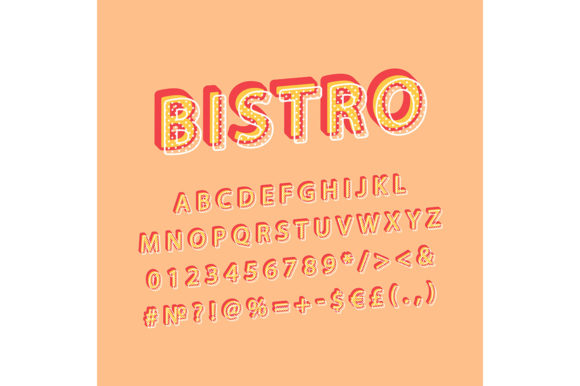
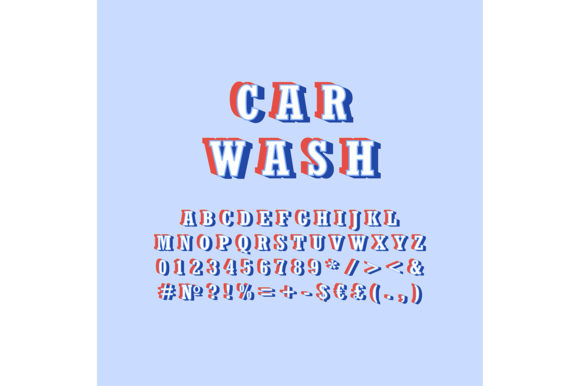
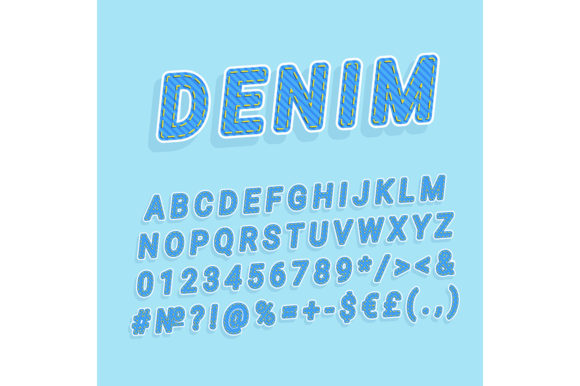
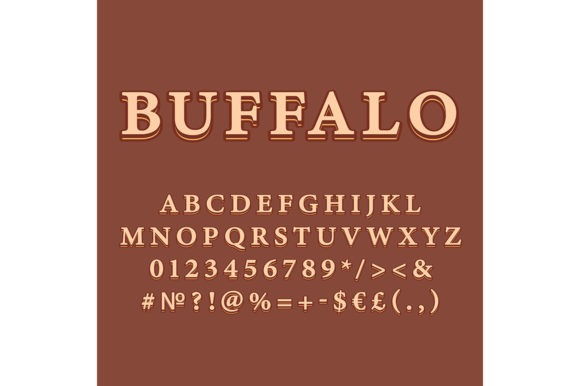
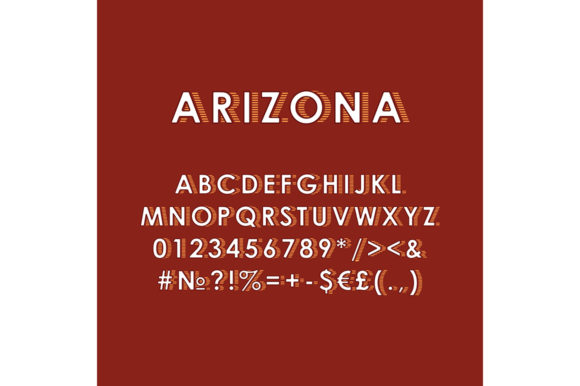
To understand where this resource fits in the broader market, one must first analyze its visual language. The Arizona Vintage 3d vector alphabet set is characterized by its heavy weight and dimensional depth. These are not flat characters; they utilize shading and highlighting techniques typical of vintage 3D rendering from the late 20th century. This creates a "pop" effect that draws the eye immediately. The style is reminiscent of classic soda shop signs, arcade game titles, and vintage magazine headers.
What sets this collection apart from other retro options is the consistency of its theme. Many font packs attempt to cover multiple eras, resulting in a diluted aesthetic. In contrast, the Arizona set commits fully to a specific era of creativity. The letters feature rounded edges, thick strokes, and a playful yet authoritative tone. This makes them ideal for headlines and display text where immediate attention is required. The inclusion of numbers and symbols ensures that the entire alphanumeric range maintains this cohesive, old school style. When you select this typeface, you are selecting a unified voice rather than a disparate collection of characters.
Evaluating Technical Capabilities and File Formats
Beyond the visual appeal, the practical utility of the Arizona Vintage 3d vector alphabet set is determined by the formats included in the ZIP file. Modern design workflows require versatility. A font that looks good on screen but fails when printed or scaled is of limited use. This set addresses those needs by providing a comprehensive suite of file types: EPS, JPG, PNG, SVG, and AI.
- AI and EPS: These native vector formats are essential for professional print production and large-scale applications like billboards or vehicle wraps. They allow designers to manipulate anchor points, adjust colors, and scale the graphics without any loss of quality. This is a critical advantage over raster-only alternatives.
- SVG: As web design becomes increasingly focused on responsive imagery, the inclusion of Scalable Vector Graphics is a significant benefit. It allows these retro elements to be embedded directly into websites, ensuring crisp rendering across all device sizes.
- PNG and JPG: While less flexible than vectors, these raster formats offer convenience for quick mockups, social media assets, or users who do not have access to advanced vector editing software.
This multi-format approach reduces the need for conversion tools, which can sometimes introduce artifacts or degrade image quality. By providing these files natively, the Arizona Vintage 3d vector alphabet set streamlines the workflow for both print and digital specialists.
Comparative Analysis: Alternatives and Market Context
When comparing the Arizona Vintage 3d vector alphabet set to other resources, several factors come into play. The market is saturated with retro fonts, ranging from free Google Fonts libraries to premium, high-end type foundries. How does this specific set stack up against those options?
Versus Standard Retro Fonts: Many free retro fonts rely on simple pixelation or basic drop shadows to achieve a vintage look. While cost-effective, they often lack the sophisticated detailing found in the Arizona set. The 3D effects in the Arizona collection are more nuanced, offering a sense of volume and light that mimics physical materials like painted wood or neon tubing. If your project requires a high level of polish, standard free alternatives may fall short.
Versus Premium Type Foundries: High-end paid fonts often offer superior kerning pairs and extensive character sets, including ligatures and alternate glyphs. However, these fonts are frequently designed as text engines meant for long-form reading. The Arizona Vintage 3d vector alphabet set is optimized for display purposes. It excels at short bursts of text, logos, and artistic compositions rather than body copy. For projects requiring dense paragraphs, a dedicated serif or sans-serif might be a better choice. But for headline impact, the Arizona set offers a unique value proposition that mass-market typefaces cannot match.
Versus Generic Clip Art: Some designers turn to pre-made clip art collections for quick solutions. While convenient, clip art often lacks the customization flexibility of a true vector set. With the Arizona pack, you are purchasing the building blocks of your design. You can change the fill color, rotate individual letters, or combine them with other graphic elements freely. This level of control transforms the asset from a static image into a dynamic design tool.
Decision Factors: When to Choose Arizona Vintage
Selecting the right typography involves weighing specific project requirements against the strengths of available resources. The Arizona Vintage 3d vector alphabet set is not a universal solution, but it is the optimal choice for specific scenarios.
Ideal Use Cases:
- Brand Identity and Logos: Brands seeking to evoke nostalgia, fun, or energy will find the bold, 3D style highly effective. The distinct shape of the letters helps create memorable visual identities.
- Event Marketing: Concert posters, festival flyers, and party invitations often benefit from the high-contrast, pop-art vibe of this typeface. It commands attention in crowded visual environments.
- Merchandise Design: For t-shirts, mugs, and stickers, the vector nature of the files ensures that the design remains sharp regardless of the printing method or size.
- Nostalgic Digital Campaigns: Social media campaigns targeting millennials or Gen Z who appreciate 90s aesthetics can leverage this set to create authentic-feeling content without using actual vintage hardware.
Limited Scenarios:
There are situations where this set may not be the right fit. If your project requires a minimalist, corporate, or understated tone, the boldness of the Arizona style could be overwhelming. Similarly, if the design demands a wide range of typographic weights (light, regular, bold, black) within the same family for hierarchy, this single-style pack may be insufficient. Additionally, for international projects requiring support for non-Latin scripts, one must verify the character set coverage, as many specialty retro fonts focus exclusively on English.
Practical Application and Workflow Integration
Integrating the Arizona Vintage 3d vector alphabet set into a design workflow requires an appreciation for layer management and color theory. Because the letters are rendered in 3D, changing the background color can drastically alter the perception of the text. Designers should experiment with complementary colors to ensure readability while maintaining the retro aesthetic.
The availability of the AI and EPS files means that integration with industry-standard software like Adobe Illustrator or CorelDRAW is seamless. Users can ungroup the elements to isolate specific parts of a letter if needed, allowing for creative modifications that go beyond simple text entry. This flexibility encourages experimentation. For instance, stretching a letter vertically or horizontally can create unique logo marks that stand out from standard typography.
Furthermore, the inclusion of SVG files opens doors for interactive web design. Animators can use these files to create motion graphics where the 3D letters appear to bounce or tilt, adding a layer of dynamism that static images cannot provide. This adaptability across different mediums—from print to digital animation—underscores the versatility of the package.
Weighing the Tradeoffs
No single design resource is perfect. When evaluating the Arizona Vintage 3d vector alphabet set, it is important to acknowledge potential tradeoffs. The primary limitation is its specificity. The strong stylistic identity means it may clash with other design elements if not handled carefully. Overuse of such a dominant font can lead to visual fatigue for the viewer. It works best when used sparingly as a focal point rather than as a supporting element.
Additionally, the 3D styling, while visually striking, adds complexity to the file structure compared to simple outline fonts. This can occasionally impact performance in very low-resource environments, though this is rarely an issue in modern desktop applications. Finally, because the style is so tied to a specific era, there is a risk of the design feeling dated if the trend cycle moves away from retro aesthetics. However, given the cyclical nature of fashion and design, the 80s and 90s revival shows no sign of fading quickly.
Final Thoughts on Selection
The decision to incorporate the Arizona Vintage 3d vector alphabet set into a project should be driven by the desired emotional response from the audience. If the goal is to evoke excitement, nostalgia, and a sense of bold creativity, this resource stands out among the myriad of options available. Its combination of high-quality vector formats and a distinct, cohesive aesthetic makes it a valuable asset for serious designers.
While alternatives exist for general retro needs, few offer the same balance of technical flexibility and stylistic authenticity. By understanding the strengths and limitations outlined above, designers can make informed choices that align with their creative vision. Whether creating a brand identity or a one-off poster, the Arizona set provides a robust foundation for bringing vintage-inspired concepts to life in the modern digital age.